
Last updated: October 1, 2026
Understanding the Platinum Group Metals (PGMs) in 2026
While gold and silver often dominate discussions about precious metals investing, platinum and palladium, known as Platinum Group Metals (PGMs), offer distinct characteristics and investment potential. Often overlooked by novice investors, these metals play critical roles in various industries, leading to unique supply-demand dynamics. Understanding these nuances is crucial for any investor looking to diversify beyond traditional precious metals in their portfolio by 2026 and beyond.
Platinum and palladium are significantly rarer than gold, with annual mining output measured in mere millions of ounces compared to gold’s tens of millions. This scarcity, combined with their extensive industrial applications, often leads to pronounced price volatility. Savvy investors recognize that PGMs can provide an excellent hedge against industrial inflation or capitalize on specific technological advancements, offering a different risk-reward profile than a pure monetary metal like gold.
As the global economy evolves, so do the demand drivers for these metals. Automotive industry shifts, particularly the transition to electric vehicles (EVs) and the development of hydrogen fuel cells, will significantly influence PGM markets. Strategic investors aim to position themselves to benefit from these shifts, leveraging the unique properties of platinum and palladium.
Platinum: Industrial Backbone and Investment Appeal
Platinum is an exceptionally rare precious metal, with approximately 70-80% of its global supply originating from South Africa. This geographical concentration makes its supply susceptible to geopolitical events, labor disputes, and power shortages, which can significantly impact market prices. Annual platinum production typically hovers around 6-7 million ounces, a mere fraction of gold’s annual output, highlighting its inherent scarcity.
The demand for platinum is multifaceted, with industrial applications representing its largest sector. Catalytic converters in diesel vehicles have historically consumed a substantial portion of platinum supply, converting harmful pollutants into less toxic emissions. Furthermore, platinum’s exceptional corrosion resistance and high melting point make it indispensable in various chemical processes, medical devices, and even high-end jewelry, accounting for roughly 25-30% of total demand. Investment demand, primarily through bars, coins, and ETFs, comprises another significant segment.
Historically, platinum has traded at a premium to gold, reflecting its rarity and intensive industrial use. However, market dynamics have shifted in recent years, with platinum often trading at a discount. This current pricing divergence presents a potential long-term value opportunity for investors who foresee a resurgence in industrial demand or a shift back towards its historical premium. For example, platinum prices peaked above $2,250 per ounce in 2008, showcasing its potential during periods of robust industrial growth.
Pros and Cons of Investing in Platinum
- Pros:
- Rarity and Scarcity: Significantly rarer than gold and silver, offering a strong long-term value proposition.
- Diverse Industrial Demand: Critical for catalytic converters (diesel), chemical processing, petroleum refining, medical implants, and jewelry.
- Potential for Price Reversion: Currently trading below gold, suggesting potential for significant capital appreciation if it returns to its historical premium.
- Emerging Fuel Cell Technology: Essential for hydrogen fuel cells, offering future growth potential in the green energy sector.
- Cons:
- High Volatility: Prices are highly sensitive to global economic health and automotive industry trends, leading to sharp fluctuations.
- Supply Concentration Risk: Heavy reliance on South African mining creates vulnerability to geopolitical instability and labor disruptions.
- Diesel Engine Decline: Decreasing demand for diesel vehicles in some regions could negatively impact its primary automotive use.
- Lower Liquidity: Market is smaller and less liquid compared to gold, potentially leading to wider buy-sell spreads.
Palladium: The Automotive Powerhouse
Palladium, another member of the PGM family, has witnessed a remarkable price surge in recent years, primarily driven by its critical role in gasoline-powered catalytic converters. Russia and South Africa dominate global palladium production, together accounting for over 75% of the annual supply, which typically ranges from 7-8 million ounces. This concentrated supply chain carries similar geopolitical risks to platinum, as any disruption can trigger significant price spikes.
Approximately 80-85% of palladium’s demand stems from the automotive industry, making it exceptionally sensitive to vehicle production rates and emission regulations. As governments worldwide implemented stricter emissions standards, particularly for gasoline engines, demand for palladium surged, pushing its price above $3,000 per ounce in early 2022. Its superior catalytic properties for neutralizing carbon monoxide and unburnt hydrocarbons in gasoline exhaust made it the preferred choice over platinum for many manufacturers.
Beyond automotive, palladium finds applications in electronics, dentistry, and chemical processes, though these sectors represent much smaller portions of overall demand. Investors should be aware of the metal’s high correlation with the automotive sector; any slowdown in vehicle sales or significant technological shifts could directly impact palladium’s value. The emergence of battery electric vehicles (BEVs) poses a long-term threat to palladium demand, as EVs do not require catalytic converters.
Pros and Cons of Investing in Palladium
- Pros:
- Strong Automotive Demand: Currently essential for catalytic converters in gasoline vehicles, a significant market driver.
- Historical Price Outperformance: Demonstrated impressive gains in recent years due to demand exceeding supply in the automotive sector.
- Rarity: Even rarer than platinum, contributing to its high value and limited supply.
- Diversification: Offers portfolio diversification, especially for those looking to capitalize on specific industrial trends distinct from gold and silver.
- Cons:
- Over-reliance on Auto Industry: Extreme dependence on gasoline vehicle sales makes it vulnerable to sector downturns and the rise of EVs.
- High Volatility: Known for dramatic price swings due to supply-demand imbalances and geopolitical events.
- Substitution Risk: Automakers may increase platinum substitution for palladium in catalytic converters, especially when palladium prices are high.
- Geopolitical Supply Risks: High concentration of supply in Russia and South Africa creates significant risk of market disruption.
Comparing Platinum vs. Palladium: Key Differences for Investors
While both platinum and palladium are precious PGMs and share some industrial uses, their market dynamics, primary demand drivers, and investment profiles diverge significantly. Understanding these distinctions is paramount for making informed investment decisions in 2026. Historically, platinum has often been perceived as the “rich man’s gold” due to its higher price per ounce and diverse applications, while palladium has more recently taken the spotlight due to its specific automotive role.
One of the most critical differences lies in their primary industrial consumption. Platinum historically dominated diesel catalytic converters and has strong demand in jewelry (approximately 20-30% of demand) and various industrial applications. Palladium, in contrast, is overwhelmingly tied to gasoline catalytic converters, with over 80% of its demand coming from this single sector. This makes palladium’s price exceptionally sensitive to gasoline vehicle production trends and emissions regulations, while platinum’s demand base is more diversified.
The geopolitical landscape also presents a notable distinction. While both metals share a significant supply concentration in South Africa, Russia is a major palladium producer, whereas platinum’s secondary production comes from other regions. This means investors in palladium must consider the unique geopolitical risks associated with Russian supply, which can be subject to sanctions or trade disruptions, as seen in recent years. This risk profile differs from platinum, making diversification across both PGMs a consideration.
Market Size and Liquidity
The platinum market is generally considered larger and more liquid than the palladium market. Platinum has a longer history as an investment metal, with more established trading patterns and a greater number of participants. Palladium, despite its recent price surges, remains a niche market with lower trading volumes. This difference in liquidity can impact transaction costs and the ease of buying and selling, particularly for larger positions. While gold vs silver debates often focus on market size, the PGM market is smaller than both, demanding careful consideration of entry and exit strategies.
Substitution and Future Demand
Automakers continually seek to optimize costs and often explore the substitution of PGMs in catalytic converters. When palladium prices soar, manufacturers investigate using more platinum, where feasible. This substitution dynamic creates a ceiling for palladium’s price and a floor for platinum’s, especially if platinum is trading at a significant discount. Looking ahead, platinum also holds a promising future in the hydrogen economy, being a key component in proton exchange membrane (PEM) fuel cells. As hydrogen fuel cell electric vehicles (FCEVs) gain traction, platinum could see a new robust demand driver, potentially offsetting declines in diesel catalytic converter usage. Palladium does not have a similar future demand driver of this magnitude.
How to Invest in Platinum and Palladium
Investing in platinum and palladium offers several avenues, each with its own advantages, disadvantages, and risk profile. Potential investors should evaluate these options based on their financial goals, risk tolerance, and desired level of direct ownership. Whether you prefer the tangible security of physical metal or the liquidity of exchange-traded products, understanding your choices is key.
1. Physical Metal: Bars and Coins
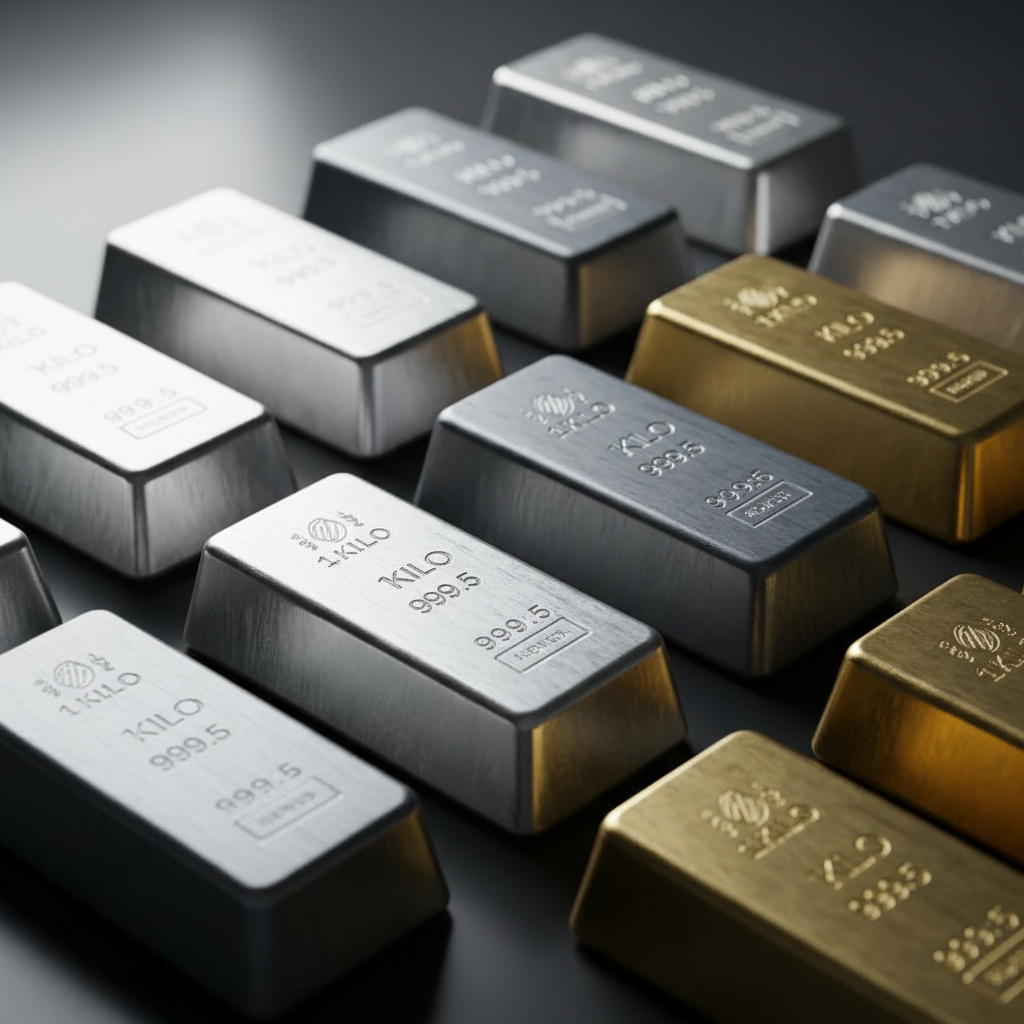
Direct ownership of physical platinum or palladium provides the strongest hedge against financial system instability and inflation. Investors can purchase investment-grade bars and coins from reputable dealers. Common products include 1-ounce platinum American Eagles or Canadian Maple Leafs, and similarly sized palladium coins. Bars are also available in various weights, typically ranging from 1 ounce to 10 ounces. When considering how to buy physical precious metals, learning how to buy gold bars can provide useful foundational knowledge, as many principles apply to PGMs.
- Pros:
- Direct Ownership: You hold a tangible asset, free from third-party risks associated with paper investments.
- Portfolio Diversification: Acts as a safe-haven asset, similar to gold, during economic uncertainty.
- IRS-Approved for IRAs: Certain high-purity platinum and palladium products (99.95% pure) are eligible for Precious Metals IRAs.
- Cons:
- Storage Costs: Requires secure storage, either at home (with associated insurance risks) or in a professional vault.
- Premiums: Physical metals often trade at a premium over the spot price, typically 5-15%, which can erode immediate gains.
- Liquidity: Selling physical metal can be less liquid than other investment forms, though reputable dealers usually offer buy-back programs.
- Transaction Fees: Dealer markups and potential shipping costs add to the overall investment cost.
For investors considering a Precious Metals IRA, platinum and palladium can be included alongside gold and silver. IRS rules dictate specific purity requirements; for platinum and palladium, investments must be at least 99.95% pure. Utilizing a best gold IRA provider that also handles PGMs can simplify the process, ensuring compliance and secure storage with an approved custodian.
2. Exchange-Traded Funds (ETFs) and Exchange-Traded Commodities (ETCs)
ETFs and ETCs offer a convenient and liquid way to gain exposure to platinum and palladium prices without the complexities of physical storage or insurance. These funds typically hold physical metal in secured vaults, with shares trading on major stock exchanges. Examples include the Aberdeen Standard Physical Platinum Shares ETF (PPLT) and the Aberdeen Standard Physical Palladium Shares ETF (PALL).
- Pros:
- Liquidity: Easily bought and sold on stock exchanges throughout the trading day.
- Lower Costs: Avoids high premiums associated with physical metal purchases and generally has lower annual expense ratios compared to some managed funds.
- Accessibility: Can be purchased through standard brokerage accounts.
- Cons:
- No Direct Ownership: You own shares in a fund, not the physical metal itself. This introduces counterparty risk.
- Tracking Error: The fund’s performance might not perfectly mirror the spot price of the metal due to fees, expenses, and market dynamics.
- Management Fees: ETFs charge annual expense ratios, typically ranging from 0.40% to 0.60% for PGM funds, which can eat into long-term returns.
- Tax Implications: ETFs holding physical metals are often taxed as collectibles at a higher rate (up to 28% for long-term gains) than traditional stocks. For a detailed guide on potential tax implications, refer to resources like a gold taxation guide, as similar rules often apply to other precious metals.
3. Mining Company Stocks
Investing in stocks of companies that mine platinum and palladium offers another avenue, albeit with higher risk and potential for greater reward. These companies are primarily based in South Africa (e.g., Anglo American Platinum, Impala Platinum) and Russia (e.g., Norilsk Nickel). Stock prices are influenced not only by metal prices but also by company-specific factors like operational efficiency, management, debt levels, and geopolitical stability in their regions of operation.
- Pros:
- Leverage to Metal Prices: Mining stocks can offer leveraged returns; a small increase in metal prices can lead to a larger percentage increase in stock price.
- Dividend Potential: Some established mining companies pay dividends, providing income in addition to capital appreciation.
- Diversification within Metals: Offers a different exposure compared to owning the physical metal or ETFs, combining commodity and equity market dynamics.
- Cons:
- High Risk: Subject to specific company risks (operational failures, labor disputes), geopolitical risks, and environmental regulations.
- Volatility: Can be highly volatile, often moving more dramatically than the underlying metal prices.
- Commodity Price Risk: Still highly dependent on the fluctuating prices of platinum and palladium.
- Currency Risk: Many mining companies are foreign, exposing investors to currency exchange rate fluctuations.
Risks and Considerations for PGM Investors
While platinum and palladium offer unique investment opportunities, they also come with a distinct set of risks that investors must carefully weigh. These risks often stem from their industrial nature, concentrated supply, and evolving technological landscape. A prudent investor approaches PGMs with a clear understanding of these challenges.
High Price Volatility
Both platinum and palladium are known for their significant price swings. Unlike gold, which is often seen as a monetary metal and safe-haven asset, PGMs are heavily influenced by industrial demand, particularly from the automotive sector. This makes their prices highly sensitive to global economic growth, recessions, and shifts in manufacturing output. For instance, palladium experienced a dramatic drop from over $3,000/oz in early 2022 to below $1,000/oz by late 2023 due to slowing auto demand and substitution fears, illustrating this extreme volatility.
Concentrated Supply and Geopolitical Risk
The vast majority of both platinum and palladium are mined in just two countries: South Africa and Russia. This high concentration of supply creates a significant geopolitical risk. Labor strikes, power outages, political instability, or international sanctions in these regions can severely disrupt supply, leading to sharp price increases. Conversely, increased production or a resolution of geopolitical tensions could lead to price corrections. Investors need to monitor global events closely when holding PGMs.
Technological Disruption and Substitution
The long-term demand for PGMs, especially palladium, faces a significant challenge from the rise of battery electric vehicles (BEVs). As the world transitions away from internal combustion engines, the demand for catalytic converters will diminish. While this is a gradual process, likely taking decades, it represents a structural headwind. Furthermore, automakers actively research ways to reduce PGM content in catalytic converters or substitute palladium with cheaper platinum, especially when palladium prices are high. This substitution risk can cap upside potential or even drive prices down.
Market Liquidity and Premiums
Compared to gold and silver, the markets for platinum and palladium are considerably smaller and less liquid. This can translate to wider bid-ask spreads when buying and selling physical metal or even ETFs, effectively increasing transaction costs. Furthermore, physical platinum and palladium often command higher premiums (5-15% above spot) than gold, due to lower production volumes and specialized refining processes. These premiums reduce an investor’s immediate gain and require a larger price appreciation to break even.
Economic Cycles and Industrial Demand
As primarily industrial metals, platinum and palladium’s demand is closely tied to the health of the global economy. During economic downturns, industrial production slows, and car sales decline, directly impacting PGM demand and prices. This contrasts with gold, which often performs well during economic uncertainty. Investors seeking a pure recession hedge might find is gold a good investment more appealing in some contexts, while PGMs offer a different type of economic exposure.
The Bottom Line for PGM Investors in 2026
Investing in platinum and palladium in 2026 requires a nuanced understanding of their unique market dynamics, industrial applications, and geopolitical sensitivities. These Platinum Group Metals offer a compelling opportunity for diversification within a precious metals portfolio, moving beyond the traditional gold and silver. Their rarity, coupled with critical roles in sectors like automotive, chemicals, and emerging green technologies, positions them for potential growth, but also for significant volatility.
Platinum, with its more diversified industrial demand and crucial role in nascent hydrogen fuel cell technology, presents a compelling long-term value proposition, especially given its current discount to gold. Its potential resurgence as a key element in the clean energy transition could offset declining diesel demand. Palladium, on the other hand, remains heavily tied to the gasoline internal combustion engine, making it susceptible to the ongoing shift towards electric vehicles, despite its impressive historical performance. This extreme concentration of demand is its biggest strength and its greatest vulnerability.
For investors considering an allocation to PGMs, a balanced approach is often advisable. Physical ownership of IRS-approved bars and coins, held in a secure vault or a Precious Metals IRA, provides direct exposure and a hedge against systemic risk. Alternatively, PGM-backed ETFs offer liquidity and convenience, though without direct ownership. Mining stocks provide leveraged exposure but come with company-specific and geopolitical risks. As with any investment, thorough due diligence and aligning choices with individual risk tolerance and financial goals are paramount. By carefully considering the distinct pros and cons of platinum and palladium, investors can strategically position their portfolios to potentially benefit from these industrial precious metals.