

Gold is a safe-haven asset — but the gold industry attracts scammers who prey on investors looking for safety. The FTC reports thousands of complaints every year about precious metals fraud. Here are the 10 most common gold investment scams in 2026 and how to avoid them.
1. Overpriced “Collectible” Coins
The most common scam. A telemarketer convinces you to buy “rare” coins at 200–500% above their actual value, claiming they’ll appreciate faster than bullion. In reality, the coins are common and worth only their gold content. Red flag: any dealer pushing “numismatic” or “semi-numismatic” coins as an investment.
Protection: Stick to standard bullion coins (American Eagle, Canadian Maple Leaf, Krugerrand) priced within 5–8% of spot.
2. Fake Gold Bars and Coins
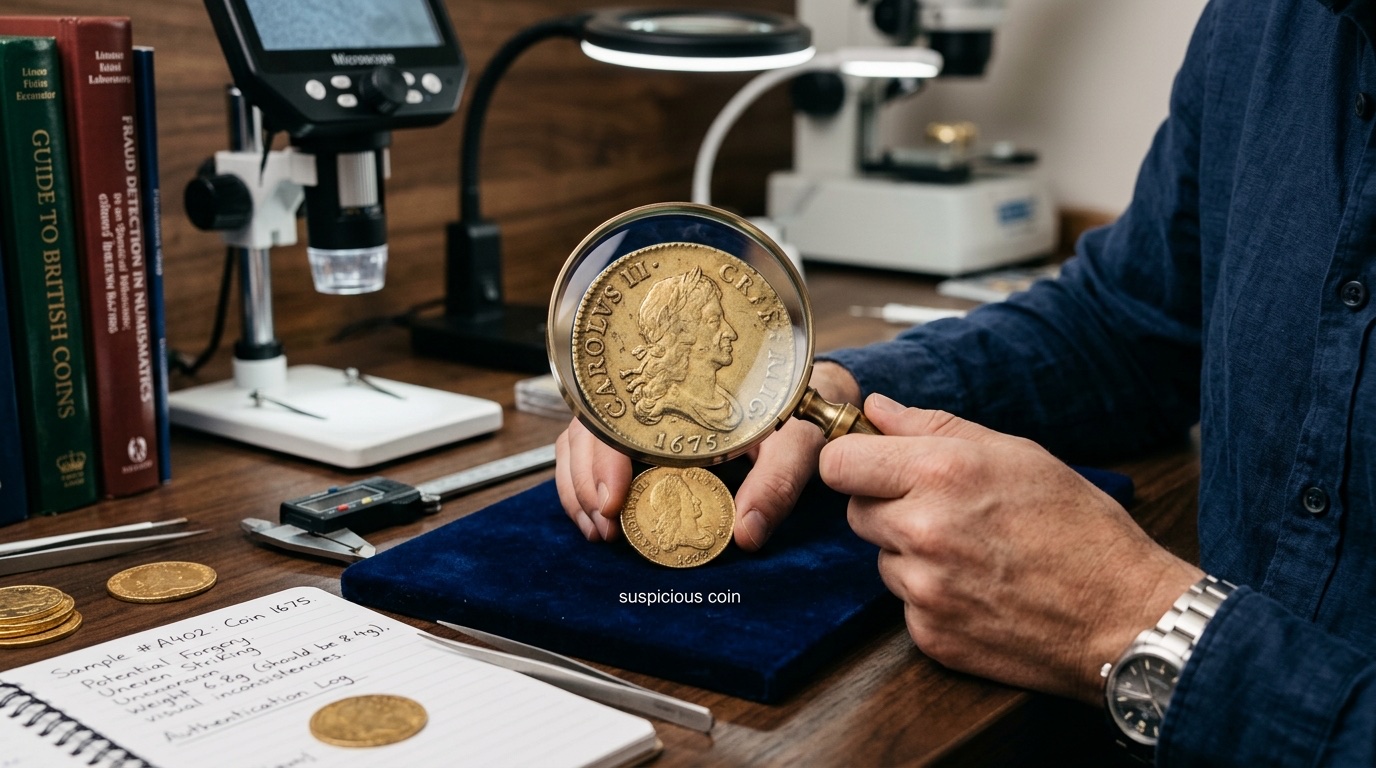
Counterfeit bars from China have flooded online marketplaces. Tungsten-filled bars with thin gold plating can fool even experienced buyers. eBay, Craigslist, and Facebook Marketplace are full of fakes.
Protection: Buy only from established dealers like APMEX, JM Bullion, SD Bullion, or Money Metals Exchange. Verify weight, dimensions, and use a precious metals tester for large purchases.
3. Storage Scams
You buy gold and pay a dealer to store it in their “secure vault.” When you ask for delivery, the dealer either delays for months or admits the gold was never purchased. The Bullion Direct collapse in 2015 cost investors $30 million.
Protection: Either take physical possession or use a third-party depository like Brink’s or Delaware Depository — never let the dealer store your gold.
4. Home Storage Gold IRA Scams
Some companies promote “Home Storage Gold IRAs” or “Checkbook Gold IRAs” claiming you can hold IRA gold in your house. The IRS has explicitly stated this is not allowed. Doing so triggers a full distribution, immediate taxation, and a 10% penalty if under 59½.
Protection: Only use IRS-approved depositories like Delaware Depository, IDS, or Brink’s for your Gold IRA.
5. Pyramid and Multi-Level Marketing Schemes
“Gold investment clubs” that pay commissions for recruiting new members are pyramid schemes. They eventually collapse when new recruits stop coming in. Several major precious metals MLMs have been shut down by the FTC.
Protection: Avoid any “investment opportunity” that requires recruiting others or pays referral commissions on gold purchases.
6. Affinity Fraud
Scammers target religious communities, retirement groups, or ethnic populations through trusted insiders. The personal connection bypasses normal skepticism. Bernie Madoff used affinity fraud to steal $65 billion.
Protection: Do independent research on any dealer recommended through community connections. Trust the data, not the relationship.
7. Boiler Room Cold Calls
You receive an unsolicited phone call from a high-pressure salesperson pushing “limited time” gold deals. They use urgency tactics: “Prices are spiking, you need to buy now.” Real gold dealers don’t operate this way.
Protection: Hang up on any unsolicited gold sales calls. Reputable dealers don’t cold call.
8. Fake Gold Mining Stock Pump-and-Dumps
Penny stock newsletters promote tiny “junior gold miners” claiming they’ve discovered “the next major gold deposit.” Insiders dump their shares on retail buyers, then the stock collapses 90%+. Common on OTC and Canadian Venture Exchange.
Protection: Stick to established miners on major exchanges (NYSE, TSX) like Newmont, Barrick, Agnico Eagle. Avoid penny stocks under $5.
9. Bait-and-Switch Pricing
A dealer advertises gold at a price barely above spot. When you call to buy, they’re “out of stock” but offer “a similar product” at 30% higher prices. Classic bait-and-switch.
Protection: Get the price quote in writing before sending payment. Cancel if the product changes.
10. Phony Gold Certificates
Some companies sell “gold certificates” claiming they represent physical gold in a vault. The gold often doesn’t exist. Even some banks have been caught selling unallocated gold accounts that aren’t backed 1:1.
Protection: Demand allocated storage with serial numbers and audit reports, or buy physical gold you control directly.
How to Verify a Gold Dealer
- BBB rating: Look for A+ rating with under 5 complaints in the past 3 years
- Years in business: Prefer dealers with 10+ years of operation
- Industry memberships: ICTA, PNG, or ANA membership signals legitimacy
- Online reviews: Cross-reference Trustpilot, Google, Reddit, and consumer protection sites
- Pricing transparency: Real dealers post prices online updated to spot
FAQ
What’s the most common gold scam?
Overpriced “rare” coins sold by phone or TV salesmen at 200–500% markups. The coins are usually common bullion worth only their gold content.
Are home storage Gold IRAs legal?
No. The IRS requires Gold IRA assets to be held by an approved depository. Home storage triggers immediate taxation and penalties.
How can I tell if a gold coin is real?
Check weight and dimensions against published specs, use a magnet (gold isn’t magnetic), and for valuable purchases use a precious metals tester or have it appraised by a certified dealer.
Should I report gold investment fraud?
Yes. Report to the FTC at ReportFraud.ftc.gov, the SEC for investment fraud, your state’s attorney general, and the Better Business Bureau.