
Last updated: October 12, 2026
Last updated: June 23, 2026
Unlocking the Hidden Value of Silver Dimes for Your Retirement Portfolio
In an economic landscape often characterized by volatility and uncertainty, smart investors are increasingly turning to tangible assets to safeguard their wealth. While gold typically dominates the conversation around precious metals, the humble silver dime, particularly those minted before 1965, represents a compelling and often overlooked opportunity for diversification and inflation protection. These small pieces of history carry significant intrinsic value, offering a unique blend of affordability, liquidity, and a tangible hedge against currency devaluation, making them an intriguing component for retirees and pre-retirees seeking robust portfolio resilience.
What Are Silver Dimes?
To understand the appeal of silver dimes, it’s essential to first grasp their fundamental characteristics and historical context. These aren’t your everyday pocket change; they are a direct link to a time when U.S. coinage was backed by substantial precious metal content.
Historical Context: Pre-1965 U.S. Dimes
The key to identifying “silver dimes” lies in their mint date. Prior to 1965, all U.S. dimes, quarters, and half-dollars were struck with a composition of 90% silver and 10% copper. This changed dramatically with the Coinage Act of 1965, which removed silver from dimes and quarters entirely, replacing it with a copper-nickel clad composition. Half-dollars retained a reduced 40% silver content until 1970. This legislative shift instantly transformed pre-1965 dimes from circulating currency into valuable sources of precious metal.
Types of Silver Dimes
When collecting or investing in silver dimes, you’ll primarily encounter two main types:
- Mercury Dimes (1916-1945): Officially known as the “Winged Liberty Head” dime, this iconic design features a depiction of Liberty wearing a winged Phrygian cap, often mistaken for the Roman god Mercury. These dimes are highly sought after by collectors not just for their silver content but also for their aesthetic appeal and historical significance.
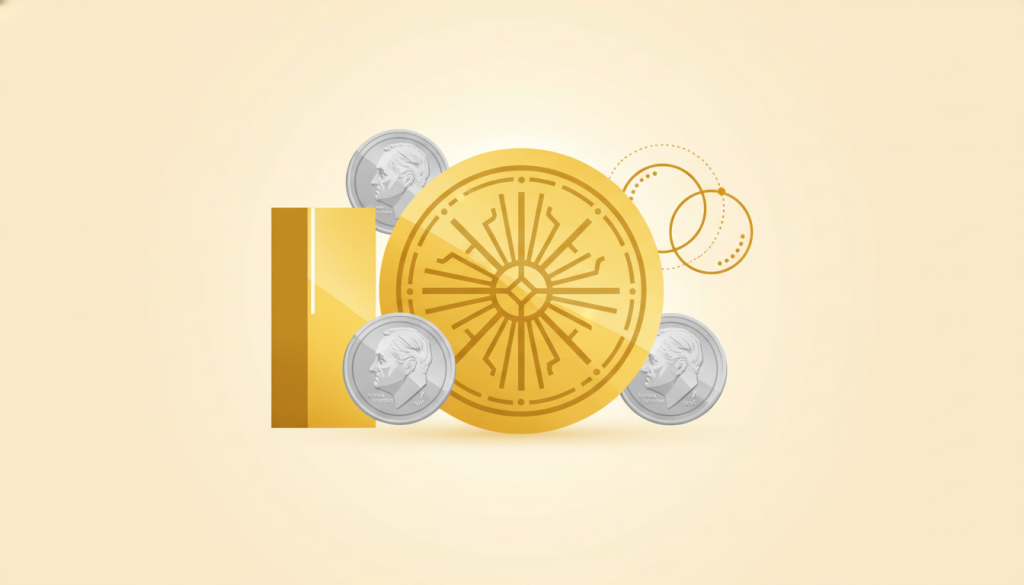
- Roosevelt Dimes (1946-1964): Introduced shortly after President Franklin D. Roosevelt’s death, these dimes feature his profile on the obverse. While less artistically elaborate than Mercury Dimes, they are equally valuable for their 90% silver content and are more commonly found in bulk “junk silver” collections due to their higher mintage numbers.
Key Characteristics: Weight, Purity, and Melt Value
Every pre-1965 silver dime, regardless of its design, contains approximately 0.0723 troy ounces of pure silver. While their face value is ten cents, their intrinsic worth is tied directly to the fluctuating market price of silver. This “melt value” far exceeds their nominal face value, making them attractive to investors. For example, if silver is trading at $25 per troy ounce, a single silver dime would have a melt value of roughly $1.81 (0.0723 oz * $25/oz), a significant premium over its 10-cent face value.
Why Invest in Silver Dimes?
For retirees and pre-retirees, the decision to allocate a portion of their portfolio to precious metals is often driven by a desire for stability and protection. Silver dimes offer several compelling advantages within this strategy.
Intrinsic Value and Inflation Hedge
Unlike fiat currency, which can be printed in unlimited quantities, silver is a finite resource with inherent value. This makes silver dimes a potent hedge against inflation and currency devaluation. As the purchasing power of the dollar erodes, the value of silver tends to rise, preserving wealth over the long term. For those on fixed incomes, this protection is invaluable.
Affordability and Divisibility
One of the most attractive aspects of silver dimes is their relatively low entry cost. Unlike a 100-ounce silver bar or even a 1-ounce silver coin, individual silver dimes are highly affordable. This divisibility allows investors to acquire silver in smaller increments, making it easier to scale investments and liquidate smaller portions as needed without selling larger, more expensive units. This flexibility is particularly appealing for managing retirement funds.
Portability and Storability
Silver dimes are small and compact, making them exceptionally portable and easy to store. A significant amount of silver value can be held in a relatively small space, whether in a home safe, a safe deposit box, or a secure storage facility. Their discreet nature also adds a layer of privacy to your holdings.
Privacy and Liquidity
In a world of increasing digital transactions, physical silver dimes offer a degree of privacy that digital assets cannot. They are widely recognized and accepted by coin dealers, bullion dealers, and private collectors, ensuring relatively good liquidity should you need to convert them back to cash. Their small denomination also facilitates easier bartering or transactions in a crisis scenario, though this is often a secondary consideration for most investors.
Diversification Beyond Traditional Assets
Adding silver dimes to a portfolio provides crucial diversification away from stocks, bonds, and real estate. Precious metals often move independently of traditional financial markets, acting as a counterbalance during economic downturns or periods of market instability. For retirees, this diversification can help smooth out portfolio volatility and protect against significant capital loss.
“Junk Silver” Appeal
The term “junk silver” might sound derogatory, but in the precious metals community, it refers to pre-1965 U.S. coinage whose value is primarily derived from its silver content rather than numismatic rarity. This category includes dimes, quarters, and half-dollars. The appeal of junk silver lies in its standardized purity (90% silver) and its ease of recognition, making it a straightforward way to accumulate fractional silver without paying high premiums often associated with collectible coins or modern bullion rounds.
Integrating Silver Dimes into Your Retirement Strategy
While silver dimes offer numerous advantages for direct physical ownership, it’s crucial to understand how they fit—or don’t fit—into a formal retirement account like a Precious Metals IRA. The IRS has specific requirements for what types of precious metals can be held within these tax-advantaged accounts.
Precious Metals IRAs and Eligibility
A Precious Metals IRA allows you to hold physical gold, silver, platinum, and palladium within a tax-deferred or tax-free retirement account. This offers a powerful way to diversify your retirement savings with tangible assets. However, the IRS mandates that all precious metals held within an IRA must meet strict fineness standards:
- Gold: 99.5% pure
- Silver: 99.9% pure
- Platinum & Palladium: 99.95% pure
Unfortunately, because pre-1965 silver dimes are 90% silver, they do NOT meet the IRS’s 99.9% fineness requirement for IRA eligibility. This is a critical distinction for investors considering silver for their retirement accounts.
IRA-Eligible Silver Options
While silver dimes cannot be held in a Precious Metals IRA, numerous other silver products can. These include:
- American Silver Eagle coins
- Canadian Silver Maple Leaf coins
- Austrian Silver Philharmonic coins
- Mexican Silver Libertad coins
- Specific silver bars and rounds from approved refiners (e.g., Johnson Matthey, Sunshine Minting) that meet the 99.9% purity standard.
Many leading Precious Metals IRA companies specialize in helping investors select and acquire these IRA-eligible silver products. For example, Augusta Precious Metals is renowned for its transparent fee structure and personalized customer service, guiding clients through the process of setting up and funding a Precious Metals IRA with approved silver and gold assets. Similarly, Goldco offers a wide selection of IRA-approved silver coins and bars, backed by excellent customer support and educational resources tailored for retirement investors.
Direct Purchase vs. IRA Investment
Given the IRA eligibility rules, investors have two primary paths for incorporating silver into their strategy:
- Direct Purchase of Silver Dimes: This involves buying physical silver dimes (junk silver) and storing them yourself. This offers complete control and privacy but lacks the tax advantages and secure, third-party storage typically associated with an IRA. It’s an excellent option for building a personal emergency reserve or a highly liquid physical asset outside of your formal retirement accounts.
- IRA Investment in Eligible Silver: This involves opening a Precious Metals IRA and purchasing IRS-approved silver products through a trusted custodian. This path offers tax benefits and professional storage but requires adherence to IRS regulations regarding purity and product type.
Many investors choose a blended approach, holding some physical silver dimes for immediate accessibility and diversifying their retirement accounts with IRA-eligible silver and gold through a reputable provider.
Choosing a Precious Metals IRA Company for Silver Investments
If you’re considering adding IRA-eligible silver to your retirement portfolio, selecting the right Precious Metals IRA company is paramount. These companies facilitate the entire process, from setting up your account to purchasing and storing your metals. Here’s what to look for and how some top providers compare.
Key Factors to Consider
- Reputation and Trustworthiness: Look for companies with a long history of positive customer reviews, high ratings from organizations like the Better Business Bureau (BBB) and Business Consumer Alliance (BCA), and transparent practices.
- Fees and Spreads: Understand all associated costs, including setup fees, annual administrative fees, storage fees, and the “spread” (the difference between the buy and sell price of metals). Transparent pricing is a must.
- Customer Service and Education: A good company will provide dedicated support, educational resources, and clear communication throughout the process, especially for first-time investors.
- Product Selection: Ensure the company offers a wide range of IRS-approved silver products that align with your investment goals.
- Storage Options: Confirm they partner with secure, insured, and IRS-approved depositories.
- Buyback Program: A clear and fair buyback policy can simplify future liquidation.
Comparison of Top Precious Metals IRA Providers for Silver
Here’s a comparison of some highly-rated companies that facilitate Precious Metals IRAs, including options for IRA-eligible silver:
| Company | Reputation & Ratings | Fees & Spreads | Customer Service | IRA-Eligible Silver Products | Company website |
|---|---|---|---|---|---|
| Augusta Precious Metals | Excellent; A+ BBB, AAA BCA. Known for transparency and education. | Transparent, competitive; generally higher minimum investment. | Dedicated account executives, personalized service, extensive educational materials. | American Silver Eagles, Canadian Silver Maple Leafs, various silver rounds/bars. | Visit Augusta Precious Metals |
| Goldco | Strong; A+ BBB, AAA BCA. High customer satisfaction. | Competitive pricing; may waive first year’s fees for larger investments. | Responsive, educational, focuses on client success. | American Silver Eagles, Canadian Silver Maple Leafs, Silver Bars (various sizes). | Visit Goldco |
| American Hartford Gold | Reputable; A+ BBB, high customer ratings. | Often waives fees for up to 3 years; competitive spreads. | Strong support team, free shipping, price match guarantee. | American Silver Eagles, Silver Canadian Wildlife Series, Silver Bars (various sizes). | Visit American Hartford Gold |
| Birch Gold Group | Solid; A+ BBB, A BCA. Known for personalized service. | Clear fee structure; competitive spreads. | Knowledgeable specialists, focus on education and long-term relationships. | American Silver Eagles, Canadian Silver Maple Leafs, Silver Bars. | Visit Birch Gold Group |
Spotlight on Top Providers for Silver IRA Investors
When considering a Precious Metals IRA for silver, companies like Augusta Precious Metals, Goldco, and American Hartford Gold consistently stand out:
- Augusta Precious Metals: Renowned for its unparalleled commitment to customer education and transparency, Augusta Precious Metals provides a seamless and pressure-free experience. Their team of experts guides clients through every step, ensuring they understand the market and their investment choices. While their minimum investment is higher, their white-glove service and lifetime support make them a top choice for serious investors prioritizing long-term relationships and peace of mind.
- Goldco: With a strong emphasis on customer satisfaction and educational resources, Goldco has built a sterling reputation. They are particularly adept at helping clients roll over existing retirement accounts into a Gold or Silver IRA, offering a wide selection of IRA-approved silver products and a clear, guided process. Their competitive pricing and commitment to client success make them a popular choice among retirees.
- American Hartford Gold: American Hartford Gold is known for its excellent customer service, often waiving fees for multiple years and offering a robust buyback program. They prioritize making the process straightforward and accessible, providing current market information and dedicated support to help investors protect their retirement savings with physical silver and gold.
Risks and Considerations
While silver dimes and IRA-eligible silver offer significant benefits, it’s important to be aware of the potential risks and considerations:
Market Volatility
The price of silver, like all commodities, can be volatile. Its value can fluctuate significantly based on supply and demand, industrial use, economic conditions, and geopolitical events. While silver generally holds its value over the long term, short-term price swings are common.
Premium Over Spot
When purchasing silver dimes or any physical silver, you will almost always pay a premium over the “spot price” (the current market price of one troy ounce of silver). This premium covers fabrication, distribution, and dealer profit. For junk silver, this premium can vary, and it’s essential to compare prices from different dealers.
Storage and Security
For directly held silver dimes, secure storage is paramount. This involves choosing between a home safe, a bank safe deposit box, or a private depository. Each option has its own costs and security implications. For IRA-eligible silver, storage is handled by an IRS-approved third-party depository, which adds a layer of security and insurance.
Liquidity
While silver dimes are generally liquid, selling a large quantity quickly might require finding a reputable dealer willing to pay a fair price. It’s always advisable to have established relationships with trusted buyers before you need to sell.
Not IRA-Eligible
As reiterated, 90% silver dimes are NOT eligible for inclusion in a Precious Metals IRA. This means any investment in silver dimes must be held outside of your tax-advantaged retirement accounts.
How to Acquire Silver Dimes
Acquiring silver dimes for direct ownership is a relatively straightforward process:
- Local Coin Dealers: Many local coin shops buy and sell “junk silver” by weight. This allows you to inspect the coins in person and often negotiate prices.
- Online Bullion Dealers: Reputable online dealers specialize in selling bulk quantities of junk silver. They offer convenience, competitive pricing, and discreet shipping.
- Coin Shows: These events bring together numerous dealers, offering a wide selection and opportunities to compare prices.
- Private Sales: Sometimes, individuals sell their collections directly, often through online marketplaces or local classifieds. Exercise caution and verify the authenticity and silver content.
Conclusion
For retirees and pre-retirees navigating an unpredictable economic climate, silver dimes offer a compelling and accessible avenue for tangible wealth preservation. While they do not qualify for inclusion in a Precious Metals IRA due to IRS fineness rules, their intrinsic value, affordability, divisibility, and portability make them an excellent choice for direct physical ownership, serving as a robust hedge against inflation and a foundational component of a diversified portfolio. For those seeking the tax advantages and secure storage of a retirement account, a Precious Metals IRA with IRS-approved silver products from trusted providers like Augusta Precious Metals, Goldco, or American Hartford Gold offers a powerful alternative. By understanding both options, you can strategically integrate silver into your retirement plan, enhancing your financial security for years to come.
Past performance does not guarantee future returns. This is editorial content, not personalized financial advice.